1. The Pool of Siloam – Jerusalem (Discovered 2024–2025)
Archaeologists working in Jerusalem’s City of David uncovered major new sections of the Pool of Siloam, a large ritual purification pool mentioned in the New Testament. This is the pool where Jesus healed a man born blind and instructed him to wash (John 9).
Recent excavations revealed massive stone walls and water-control structures dating back to the First Temple period (around the 8th century BC). These findings confirm the pool’s size, importance, and advanced water-engineering system connected to the Gihon Spring.
2. Evidence of an Egyptian Military Presence at Megiddo (2025)
At the ancient site of Megiddo—often associated with the biblical name Armageddon—archaeologists uncovered Egyptian pottery and military-related artifacts from the late Iron Age.
These finds align with the biblical account in 2 Kings 23:29, where Pharaoh Necho II is described as marching through the region and killing King Josiah of Judah. The discoveries support the historical backdrop of Egypt’s presence in the land during that period.
3. Rare Gold Coin Linked to the Hellenistic Period (2025)
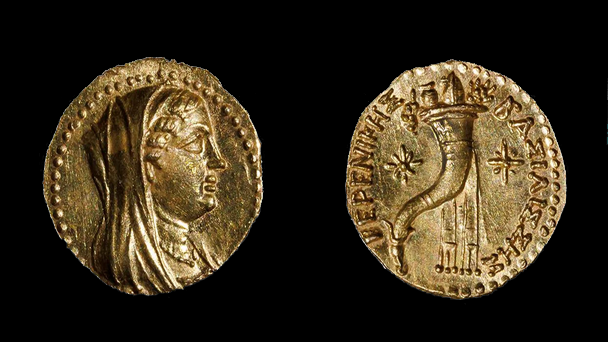
A rare gold coin bearing the image of Queen Berenice II, wife of Ptolemy III, was discovered in Jerusalem. Coins like this are extremely valuable for dating archaeological layers and confirming historical timelines.
This discovery sheds light on the political and economic environment during the Hellenistic era, a time period referenced indirectly in biblical books such as Daniel, which describe the rise and fall of empires in the region.
4. Assyrian Inscription Found in Jerusalem (2025)
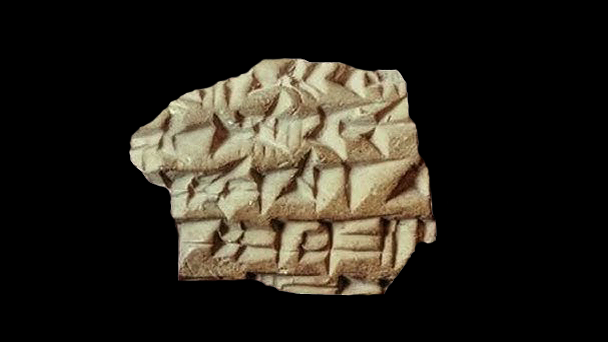
Archaeologists uncovered a pottery fragment inscribed with Akkadian cuneiform, referencing Assyrian authority over Judah. This is believed to be the first Assyrian inscription from the First Temple period found directly in Jerusalem.
The discovery corresponds with biblical passages in 2 Kings and Isaiah that describe Judah paying tribute to Assyria during the reigns of kings such as Hezekiah.
Other recent discoveries include Canaanite cultic artifacts, bronze figurines, ancient winepresses, and shipwrecks off Israel’s coast containing storage jars used for trade during biblical times.
These finds help archaeologists better understand daily life, worship practices, trade routes, and economic systems that existed during the periods described in the Old Testament.
Why This Matters
these discoveries provide strong historical context for the people, places, and events mentioned in the Bible. They demonstrate that biblical writers were describing real locations, real political powers, and real cultural practices.
Each new discovery strengthens the connection between Scripture and history, helping modern readers better understand the world in which the Bible was written.



Comments