you can click on this link Here, for testomonies from people with addictions
D39
Understanding Addiction Through a Biblical Lens
Addiction is not a new struggle. While the Bible may not use modern words like “drug addiction,” “alcohol dependency,” or “behavioral addiction,” it speaks often about bondage, temptation, self-control, and the human battle with sin and destructive habits. Scripture teaches that anything controlling a person more than God can become spiritually dangerous.
The Bible recognizes that people can become trapped by things that overpower them. In 2 Peter 2:19, it says, “For people are slaves to whatever has mastered them.” This verse reflects the reality of addiction — a cycle where a person may feel controlled by substances, behaviors, or unhealthy desires.
The Bible Warns Against Being Controlled by Anything
Scripture repeatedly warns believers not to allow anything to dominate their lives. In 1 Corinthians 6:12, the Apostle Paul writes, “I have the right to do anything,” but adds, “I will not be mastered by anything.” This teaches that freedom should not become bondage.
The Bible especially warns about drunkenness and loss of self-control. Proverbs 20:1 says, “Wine is a mocker and beer a brawler; whoever is led astray by them is not wise.” Ephesians 5:18 also says, “Do not get drunk on wine, which leads to debauchery. Instead, be filled with the Spirit.”
These passages are not only about alcohol. The principle applies broadly to anything that consumes a person’s thoughts, health, finances, or relationships.
Addiction and the Struggle of the Human Heart
The Bible honestly describes the internal struggle many people face. In Romans 7:15, the Apostle Paul says, “For I do not do the good I want to do, but the evil I do not want to do—this I keep on doing.” Many people battling addiction relate deeply to this conflict between desire and behavior.
Scripture teaches that temptation itself is not unique. 1 Corinthians 10:13 says that no temptation has overtaken people except what is common to mankind, and that God provides a way to endure and escape temptation.
How the Bible Says Addiction Can Be Overcome
The Bible presents hope rather than condemnation. It teaches that change is possible through faith, repentance, support, wisdom, and dependence on God.
One of the major themes of Scripture is transformation. Romans 12:2 says, “Do not conform to the pattern of this world, but be transformed by the renewing of your mind.” This suggests that lasting change begins internally — through renewed thinking, spiritual growth, and new habits.
Galatians 5:22-23 describes the “fruit of the Spirit,” including self-control. The Bible teaches that self-control is not only human effort, but something strengthened through a relationship with God.
James 5:16 encourages believers to confess struggles to trusted people and pray for one another. This reflects the importance of accountability, support systems, and honest conversation rather than isolation.
Practical Biblical Steps for Breaking Addiction
The Bible encourages practical action alongside prayer and faith. Avoiding temptation, removing harmful influences, and seeking wise counsel are recurring biblical themes.
Proverbs frequently praises wisdom and surrounding oneself with good influences. Many Christians believe recovery can involve counseling, recovery groups, medical help, supportive friends, and spiritual guidance together.
Jesus also taught radical action against destructive patterns. In Matthew 5:29-30, He used strong imagery about removing things that cause a person to stumble. While symbolic, the message emphasizes taking sin and destructive habits seriously.
God’s Mercy for Those Struggling
The Bible consistently teaches forgiveness, mercy, and restoration for those who struggle. Psalm 34:18 says, “The Lord is close to the brokenhearted.” Many people battling addiction feel shame, isolation, or hopelessness, yet Scripture repeatedly points toward grace and restoration rather than permanent rejection.
In John 8, Jesus showed mercy to a woman caught in sin and told her to “go and sin no more.” This combination of compassion and encouragement toward change reflects a major biblical pattern — truth balanced with grace.
Conclusion
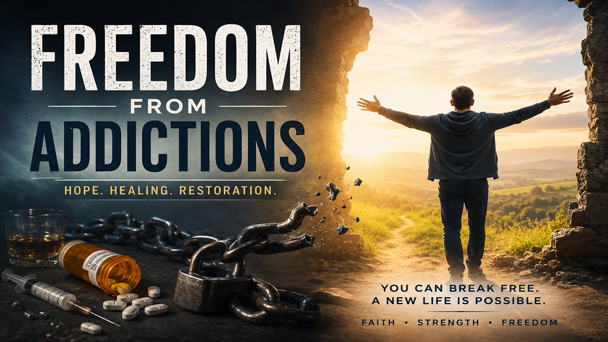
The Bible teaches that addiction is a form of bondage that can affect the body, mind, and spirit. Scripture warns against being controlled by destructive habits while also offering hope for freedom, healing, and transformation.
Biblical guidance for overcoming addiction includes prayer, renewing the mind, practicing self-control, seeking support, avoiding temptation, and relying on God’s strength rather than facing struggles alone. Above all, the Bible presents a message of mercy and redemption for those seeking a new path forward.

 D39
D39 
Comments